Between performance and environment: How to face the new challenges of e-commerce?  

In 2023, e-commerce has become an essential part of many consumers’ daily lives. Unfortunately, they are often poorly informed about the impact of online orders and, by extension, the impact of logistics. During SITL 2023, Marc Cottignies, expert engineer at ADEME, Sandrine Neveu, deputy CSR director of the Mail and Parcels Service Branch at La Poste and Charlotte Alix, CSR manager at Fnac and Darty, led a round table discussion about their experiences and initiatives in sustainable development in the logistics and transport sector.  

Some companies such as Fnac, Darty and La Poste are already thinking about how to respond to this issue, with a guiding principle: less polluting but still efficient transport.  

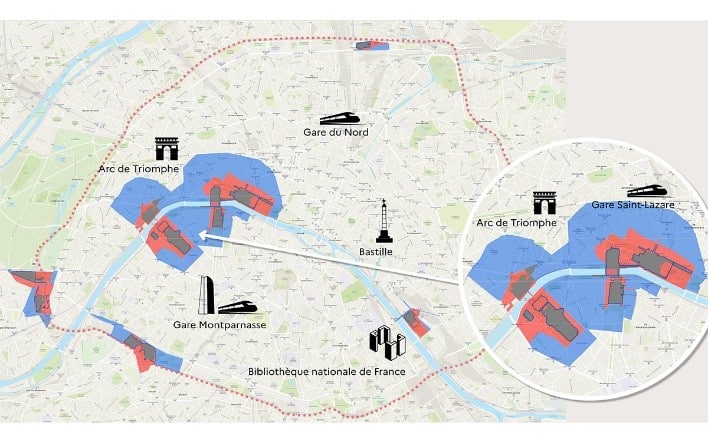
La Poste has implemented initiatives to reduce its carbon footprint, notably through a fleet of electric vehicles and the establishment of urban distribution centers. Another concern for the company remains the challenges of last mile logistics and the solutions developed to optimize deliveries in the city.

The same direction for Fnac and Darty with the implementation of responsible practices within the company and the sensitization of customers to responsible consumption.   

It is important to underline the need for collaboration between the different actors of the supply chain to find sustainable and efficient solutions. During their speeches, the 3 speakers also highlighted the importance of innovation to meet environmental challenges.

Among the ideas discussed, we can mention : 

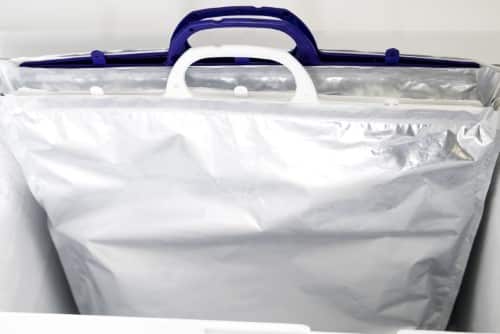
  • Reducing greenhouse gas emissions to limit the environmental impact of logistics and transportation. There are solutions to reduce these emissions, such as the use of electric vehicles (which can be fitted with our self-contained isothermal containers), the optimization of delivery routes or the establishment of urban distribution centers.  
  • The optimization of delivery routes to reduce greenhouse gas emissions and improve the efficiency of logistics. Solutions are available such as grouping orders, reorganizing trucks or using advanced technologies to optimize routes.  
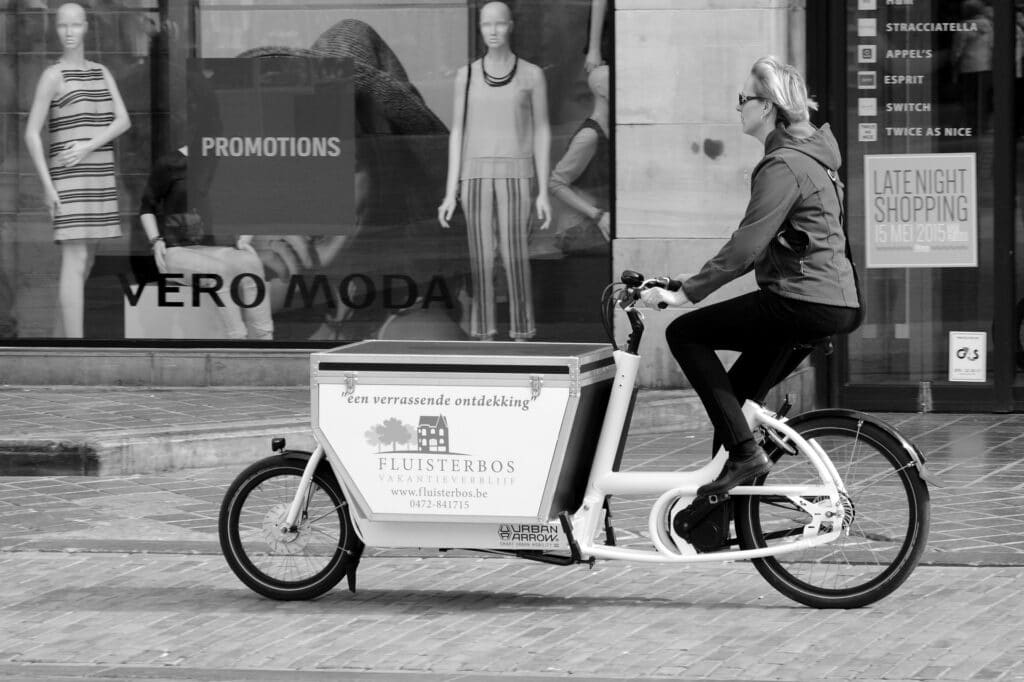
  • The use of more sustainable modes of transport such as cargo bikes (with our XL9) or river transport, which can reduce the environmental impact of logistics and transport.  
  • Waste reduction with solutions to reduce the use of packaging materials and to optimize the use of materials. 

The commitment of La Poste, Fnac and Darty France to sustainable development in the logistics and transport sector is clear and underlines the importance of collaboration and innovation to meet the environmental challenges of online commerce. 
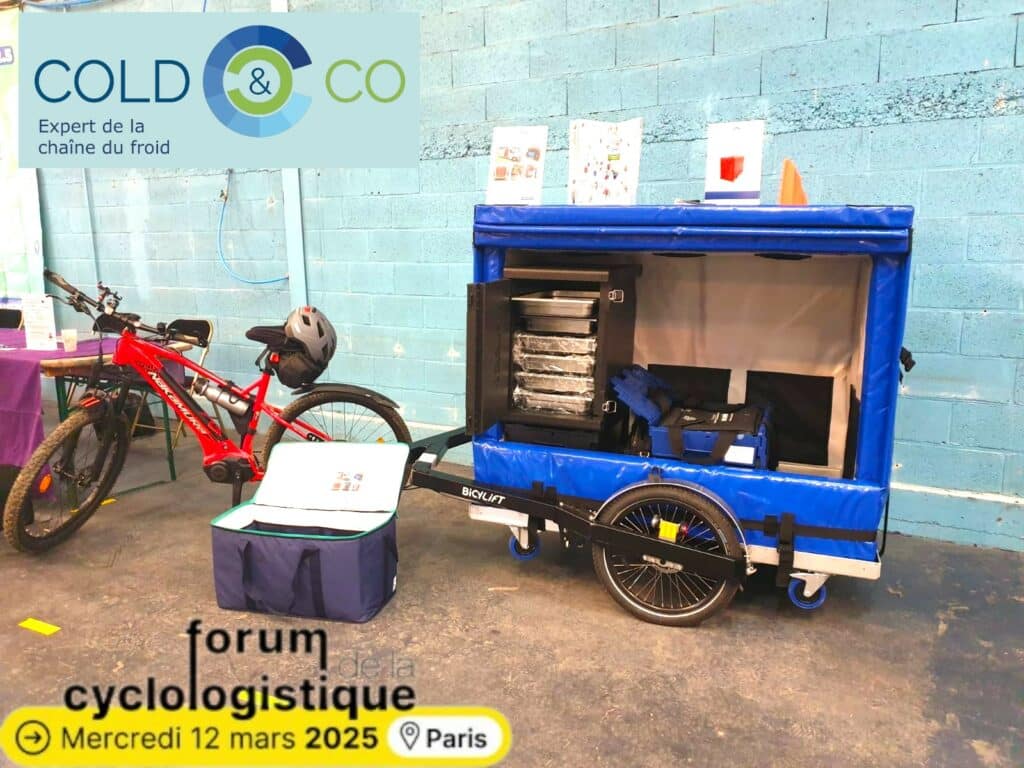
A major food delivery company adopts the passive cold chain with CarryTemp from COLD & CO

A cold logistics revolution for agility, economy and sustainability A leading French home-delivery food service recently carried out an in-depth rethink of its fleet and delivery practices. Gone are the refrigerated trucks, replaced by a more agile and economical solution : passive refrigeration with COLD & CO’s CarryTemp isothermal and refrigerated containers. 1. From a […]

A major food delivery company adopts the passive cold chain with CarryTemp from COLD & CO Lire la suite »

Keeping the Cold Chain during the handling of messenger RNA vaccines against COVID-19

Exposure of Cominarty and Moderna vaccines to room temperature for more than 3 minutes is irreversible as the vaccine is considered thawed. It can’t be re-frozen. In January 2021, the Cold Health Commission “Covid-19” of the « Association Française du Froid » (AFF) published several understanding notes, information and good practices of the cold chain around COVID-19 vaccines. 1.

Keeping the Cold Chain during the handling of messenger RNA vaccines against COVID-19 Lire la suite »

Retailers are optimizing their cold chain and reducing their logistical and energy impact by replacing traditional PPE crates with Freeze/Fresh Conveyor Boxes.

1. The context: a growing need for thermal efficiency and performance Faced with rapidly changing expectations in terms of food delivery, particularly in urban areas and without refrigerated vehicles, a major European retailer turned to COLD & CO with a dual objective: guarantee a flawless cold chain, reduce logistics and energy costs. Until now, the

Retailers are optimizing their cold chain and reducing their logistical and energy impact by replacing traditional PPE crates with Freeze/Fresh Conveyor Boxes. Lire la suite »

A messenger RNA vaccine against COVID 19, what impact on the cold chain?

Since November 9, several laboratories have announced the development of a vaccine that is more than 90% effective. Pfizer-BioNtech laboratories present their first results obtained on a messenger RNA (mRNA) vaccine. What is the principle of this vaccine? What impact on its cold chain ? Historical vaccines with infectious agents Historically, the first vaccines were

A messenger RNA vaccine against COVID 19, what impact on the cold chain? Lire la suite »

La Poste decarbonizes its urban logistics 

During the SITL 2023 (International Transport and Logistics Week), La Poste, through the voice of its director of urban logistics (La Poste Courrier et Colis) Jean-Louis Carrasco, explained its plan to completely decarbonize its urban logistics by 2050. La Poste, which is the national postal service of France, is indeed seeking to reduce its carbon

La Poste decarbonizes its urban logistics  Lire la suite »

Protecting temperature-sensitive chemicals: when logistics becomes a key factor in performance

In the world of specialty chemicals, formulation stability does not end with their design in the laboratory. Transportation, often perceived as a standard logistical link, becomes a critical issue when products are heat-sensitive. This is the case for a French manufacturer specializing in the distribution of varnishes, paints, and resins for finishing flexible materials. It

Protecting temperature-sensitive chemicals: when logistics becomes a key factor in performance Lire la suite »

Transport at controlled ambient temperatures between +18°C and +25°C: a logistical challenge for medical devices

The +18°C to +25°C thermal challenge at the heart of medical logistics When it comes to transporting in vitro diagnostic medical devices (IVDMDs), certain entities face a very specific challenge: maintaining a strictly controlled temperature between 18°C and 25°C, whatever the season. In winter as in summer, this requirement for thermal stability is crucial to

Transport at controlled ambient temperatures between +18°C and +25°C: a logistical challenge for medical devices Lire la suite »